How Region Shapes North American Softwood
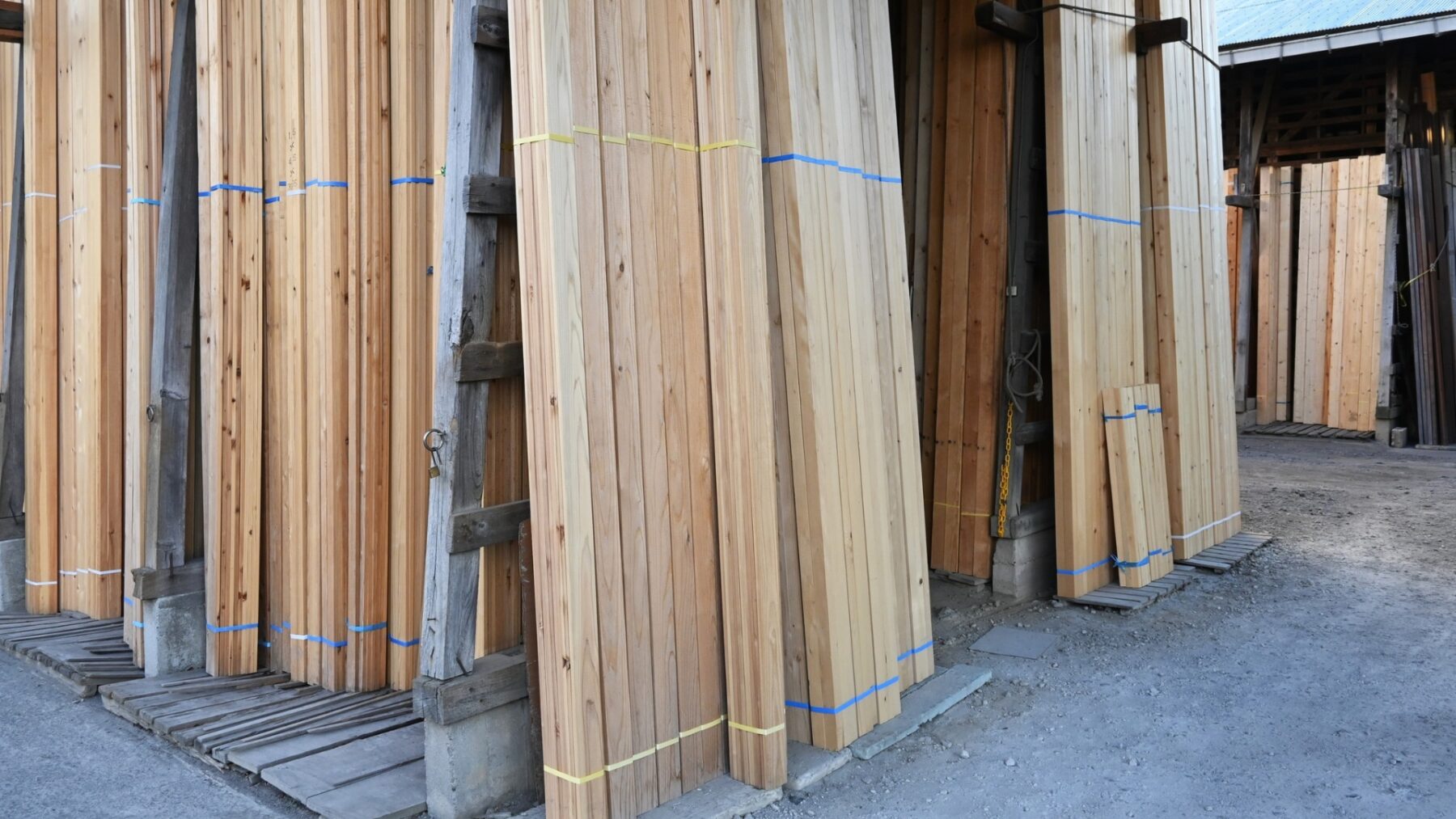
Every board of softwood lumber carries the story of where it grew, whether the grade stamp says so or not. Climate, growing season, and terrain leave their mark on the wood long before a mill ever touches it, and depending on the region, that mark can mean an entirely different mix of species hiding behind the same familiar name. Here's how four major growing regions shape the lumber behind them.
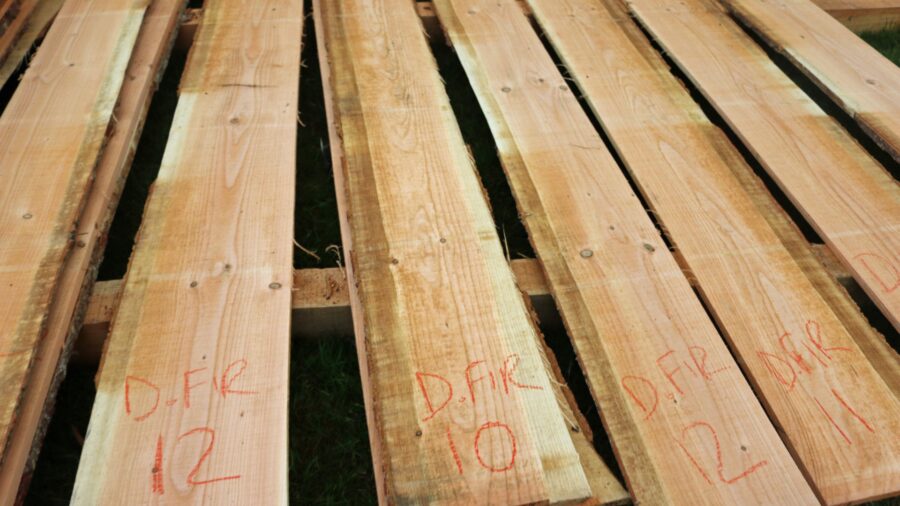
Western Canada: SPF
British Columbia's Interior and Alberta draw their SPF from six species: white spruce, Engelmann spruce, lodgepole pine, jack pine, alpine fir, and balsam fir. The region's cooler, more continental climate and shorter growing season slow the trees' growth, which tends to produce tighter, more closely spaced growth rings. That slower growth cycle, and the specific species mix behind it, is what sets Western SPF apart before a board is ever cut to size. It also gives SPF a strong strength-to-weight ratio and good dimensional stability, along with an easy workability that holds up well through nailing, cutting, and framing.
Eastern Canada: SPF
Quebec, the Maritimes, and Ontario grade under the same SPF standard, drawing on white spruce, red spruce, black spruce, jack pine, alpine fir, and balsam fir. Four of those six species (white spruce, jack pine, alpine fir, and balsam fir) are shared with the West. The regional split comes down to the other two: Western SPF draws on Engelmann spruce and lodgepole pine, Eastern SPF draws on red spruce and black spruce instead. Same combined standard nationwide, different species available depending on which forest the mill is cutting from. Because the whole combination is graded to one shared set of design values, a board's exact species mix doesn't change how it performs on a job site. It's engineered to carry the same strength and stiffness rating regardless of which of those six species it happens to be.
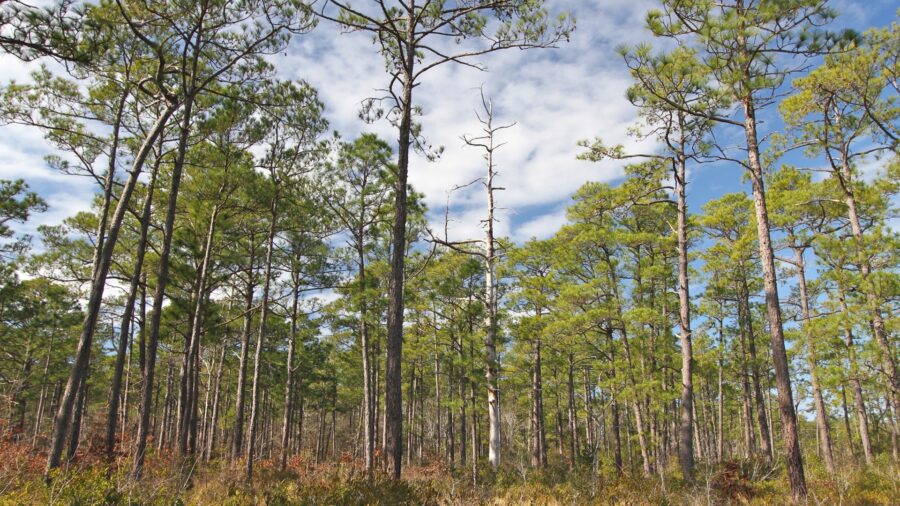
US South: SYP
Southern Yellow Pine is its own species combination entirely: loblolly, shortleaf, longleaf, and slash pine, graded under SPIB rules. The South's longer growing season and warmer climate push these species to put on wood faster than SPF does, producing wider growth rings with a denser latewood band and a naturally higher resin content. That combination gives SYP a grain pattern and working character distinct from SPF well before either reaches a dimensional cut. The same density also gives SYP strong fastener- and plate-holding capability, and once pressure-treated, real resistance to decay and insects, properties that get heavy use in outdoor structural work like decks and trusses.
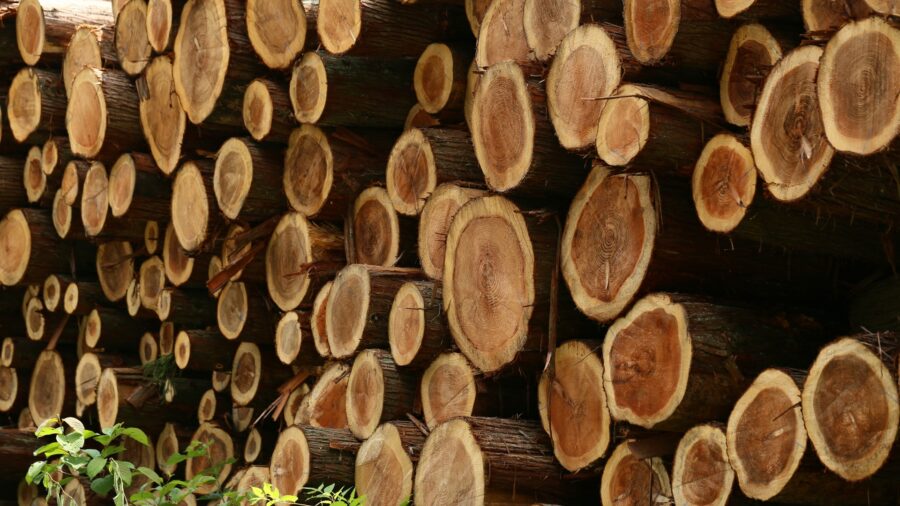
Pacific Coast: Douglas Fir, Hem-Fir, and Western Red Cedar
Coastal and Interior BC sit close together on a map but grow different wood, and grade it differently too. On the Coast, Douglas fir grows and grades entirely on its own, in a milder, wetter climate that has historically supported dense stands with tight, straight grain. Move east past the Coast Mountains into the Interior, and Douglas fir grows intermixed with western larch, graded together as Douglas Fir-Larch, a genuine species combination that doesn't exist on the Coast. Same species, two entirely different products depending on which side of the mountains it grew on, and both carry the reputation Douglas Fir is built on: the highest stiffness, or modulus of elasticity, of any North American softwood, paired with a strength-to-weight ratio and dimensional stability that make it a mainstay of heavy timber and engineered structural work.
The Coast produces one more combination worth naming: Hem-Fir, a pairing of western hemlock and amabilis (Pacific silver) fir, both species suited to the same wet coastal conditions that shape Coastal Douglas Fir. Its strength runs a step below Douglas Fir-Larch, and its lighter, more uniform color makes it a versatile option for general-purpose framing and appearance-grade work alike.
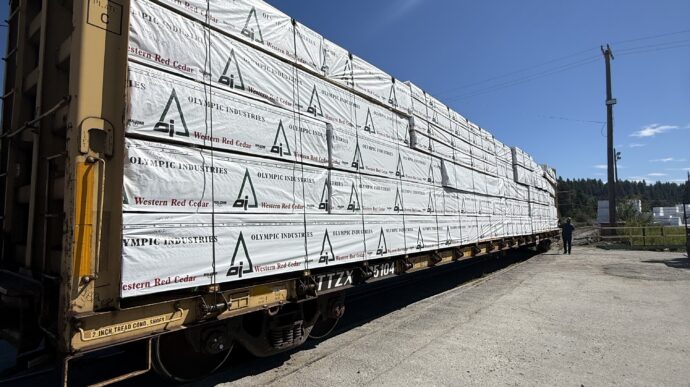
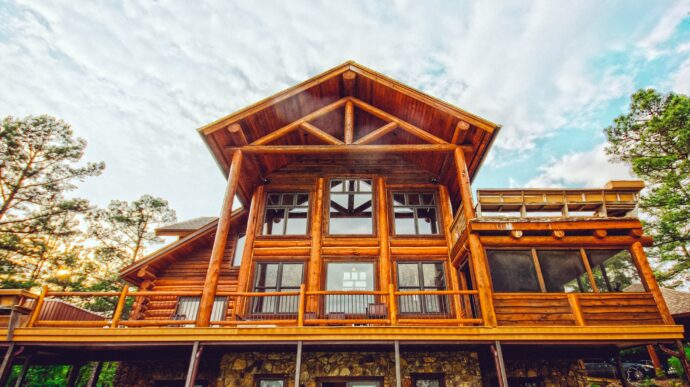
The Coast is also home to Western Red Cedar. It grows in the same coastal climate as Douglas Fir and Hem-Fir but serves an entirely different purpose. Cedar isn't part of any structural framing combination, and it isn't valued for structural strength the way those species are. Its appeal comes from natural oils that resist decay and insects without chemical treatment, plus a light weight and dimensional stability that make it easy to work. That's why it moves through decking, siding, fencing, and timber applications rather than the stud walls and joists that SPF, SYP, Douglas Fir, and Hem-Fir are built for.
The Takeaway
A softwood label can mean a single species graded on its own, or a specific combination of species graded together, and which one it is changes by region. Climate, growing season, and terrain shape the wood long before a board reaches a grade stamp, whether it's coming out of BC's Interior, Quebec's forests, the US South, or the Pacific Coast. Knowing what's actually behind a species name, and where it grew, is part of knowing the board itself.