How to Make a Career in Lumber Trading
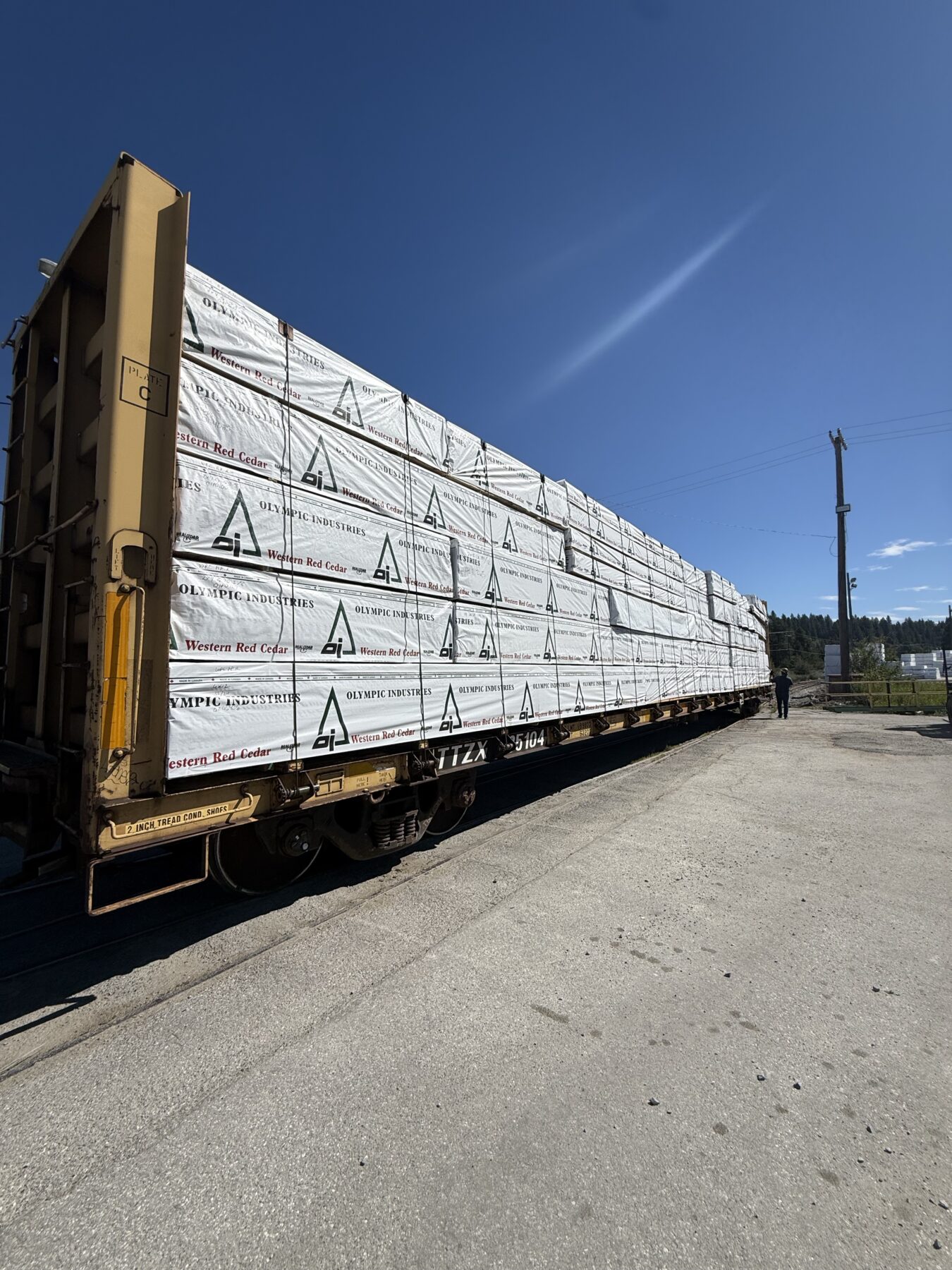
Lumber trading is one of the most dynamic career paths in the business world. Traders manage real price exposure using tools like futures, exchange-for-physical trades, and other hedging strategies, all while running a hands-on, relationship-driven business built around the buying and selling of physical wood products.
In this post, we'll break down what lumber trading actually looks like day to day, how it differs from stock trading, what skills set top traders apart, and how to break into the industry.
What Is Lumber Trading?
Lumber trading is a branch of commodity trading, the buying and selling of physical raw materials. But unlike commodities that trade as abstract units on a screen, lumber is a tangible product with real variation. Species, grades, dimensions, moisture content, regional availability, and end-use applications all matter. A trader isn't just moving volume, they're matching the right product to the right customer.
The lumber market is shaped by supply and demand fundamentals: mill production capacity, housing and construction activity, transportation logistics, weather, and regional availability. Prices can move quickly, which creates both opportunity and risk. Traders who understand these dynamics and build strong relationships across the supply chain are the ones who thrive.
Lumber Trading vs. Stock Trading
The simplest way to understand the difference: stock traders buy and sell ownership in companies. Lumber traders buy and sell the actual products those companies use to build.
A stock trader analyzes earnings reports, company performance, and market sentiment to decide which shares to buy or sell. The work is research-heavy, screen-focused, and centered on financial metrics.
A lumber trader operates in the physical world, but that world runs on its own layer of financial sophistication. Traders use futures, exchange-for-physical trades, and other hedging strategies to manage price exposure across a book of business, all while coordinating logistics from mill to job site and matching the right species and grade to each customer's project. It's relationship-heavy work, and you're on the phone with customers, suppliers, and logistics partners throughout the day, but the risk management underneath it is as real as anything on a trading floor.
Stock trading rewards analytical skill. Lumber trading rewards that plus salesmanship, deep product knowledge, and the ability to solve real-world supply chain problems for your customers.
What Does a Lumber Trader Actually Do?
The day-to-day of a lumber trader is fast-paced and varied. Traders typically start their mornings reviewing market conditions and coordinating with their team on priorities. From there, the core work breaks into a few areas.
Business development and relationship management. Lumber trading is a relationship business. Traders research potential customers, reach out to understand their needs, and work to become a trusted supply partner. Experienced traders manage and grow an existing book of business while continuing to prospect new accounts.
Executing transactions. Traders match supply with demand, sourcing the right product at the right price and coordinating delivery. That means understanding the specific products a customer needs, whether it's SPF framing lumber, Douglas Fir timbers, or SYP decking, and finding the best way to fill that order.
Managing risk. Lumber prices fluctuate. Traders manage that exposure by staying close to their markets, using tools mentioned earlier, like futures and hedging strategies alongside their physical positions. Making the calls that protect both the company and its customers from unexpected swings, frequently before all the facts are in.
Collaboration. Trading desks don't operate in silos. Traders work closely with logistics teams to ensure smooth delivery, and with each other to share product knowledge and support larger or more complex deals.
At Olympic Industries, this collaborative approach extends across divisions, and our traders work alongside a dedicated logistics team that handles the complexity of shipping, so traders can focus on what they do best: analyzing markets, managing risk, and building the relationships that make a book of business work.
Skills That Set Lumber Traders Apart
Lumber trading draws on a mix of hard and soft skills, financial and relational, that few other careers demand together.
Sales and relationship building. This is the foundation. Lumber trading is a sales role at its core. You need to prospect, pitch, negotiate, and close, then maintain those relationships over the long term.
Product knowledge. Understanding the products you trade, the supply chain behind them, and the factors that move pricing is essential. That means knowing your species, grades, and applications cold, and being able to advise a customer on the right product for their project.
Market analysis and organization. Traders track dozens of moving variables at once, supply, demand, weather, logistics, and regional availability, to inform how they price, structure, and time a deal. That same rigor extends to running a book of business: coordinating multiple shipments, tracking orders, and keeping inventory balanced, all without letting a single detail slip.
Risk management. The ability to assess and manage price exposure across your book of business, both on your own positions and on behalf of your customers, is what separates good traders from great ones.
Communication under pressure. Markets move fast. You need to convey complex information clearly, make decisions quickly, and stay composed when things get hectic.
Curiosity and adaptability. Markets evolve constantly. The best traders are the ones who never stop learning about their products, their customers, and the broader forces shaping their industry.

How to Break Into Lumber Trading
A degree in finance, economics, or business is a strong foundation for this career, and it translates directly to the risk management side of the job. But it's not the only path in, and it's not what makes or breaks a career here. What matters more is the right mindset: drive, resilience, and a willingness to learn by doing.
Some of the strongest lumber traders come from backgrounds you might not expect, and no single one of them is the "right" path in.
- Athletics builds that mindset well: competing at a high level teaches discipline under pressure and the resilience to take a loss and come back sharper.
- A background in finance or economics builds it too: you already know how to read risk and think in margins.
- Running your own business teaches you how to find customers, close deals, and take ownership of outcomes.
- Years in door-to-door sales build the kind of grit and rejection tolerance that most people never develop.
Different starting points, same core demands: hustle, competitiveness, financial fluency, and the ability to build relationships from scratch. The best traders, whatever their background, are the ones who ask tough questions, dig into the details, and aren't afraid of a challenge.
How Olympic Industries Builds Lumber Traders
At Olympic, we've made a commitment to finding and developing the most promising emerging talent. Our Trader Trainee program is a salaried, 6-12 month program built around hands-on learning, professional development, and mentorship from experienced traders.
Before trainees ever work a deal independently, they develop a thorough understanding of each of our divisions, our business channels, and what it takes to build a successful career in lumber trading. The goal isn't just to train traders, it's to develop well-rounded professionals who understand the business inside and out.
Olympic is more than a workplace, it's a team built around a shared passion for this industry. We offer an exciting career path within a field known for its entrepreneurial spirit and the real rewards that come with building a book of business from the ground up.
Whether you're a recent graduate or looking for a career change, we'd welcome the chance to talk.