Lumber Trends We Will See In 2026
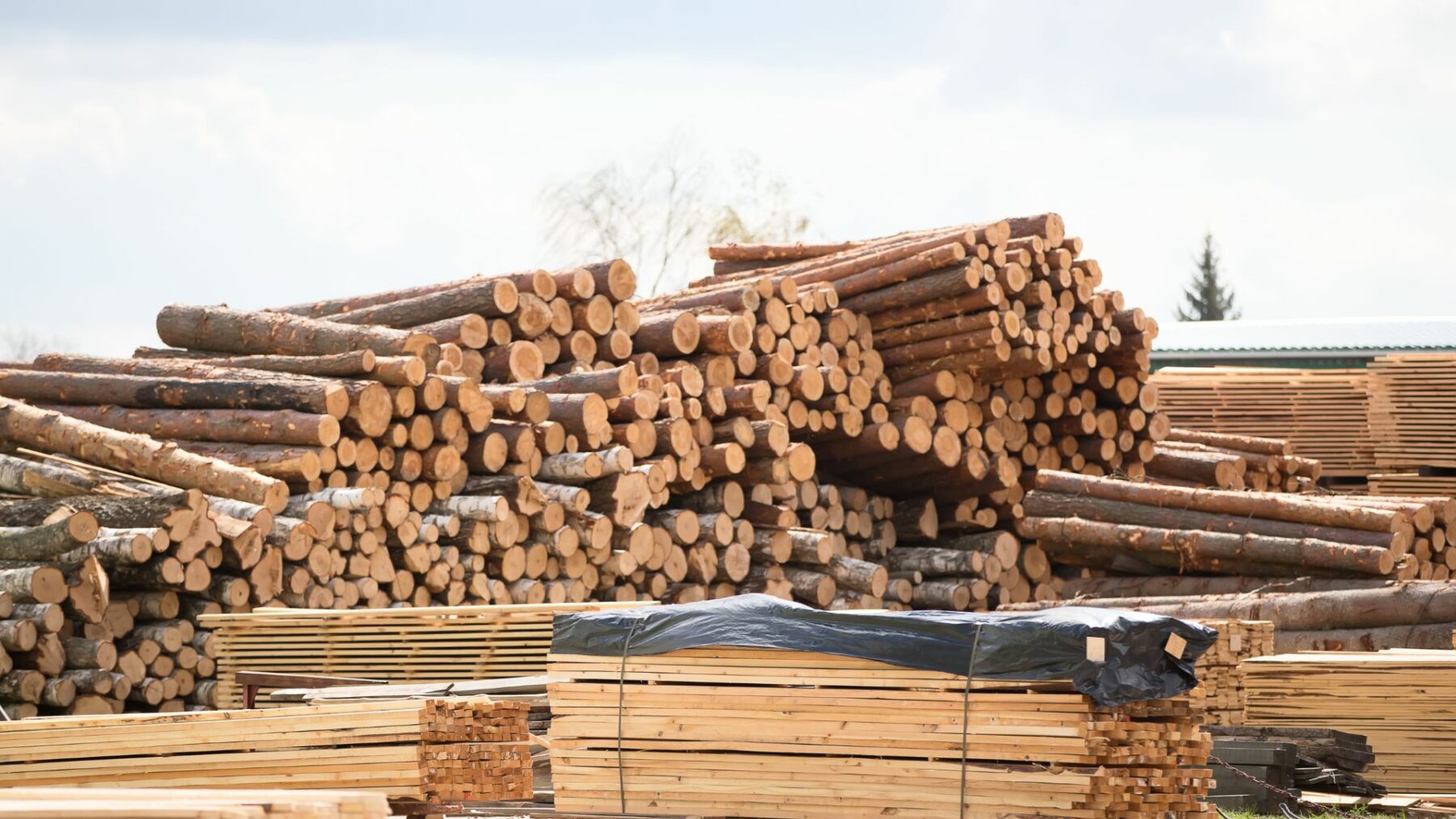
As we look ahead to 2026, the forestry and wood‑products sector stands at a pivotal moment. Rapid advances in technology, shifting demand toward engineered and specialty wood products, and a growing emphasis on sustainability and workforce development are all converging. In this article, we’ll examine seven major trends: tightened supply, increased use of technology, growing engineered‑wood demand, a deeper focus on quality and consistency, sustainability emphasis, and education & workforce development.
By understanding these dynamics early, mill operators, suppliers, and industry stakeholders can position themselves for success in the evolving landscape.
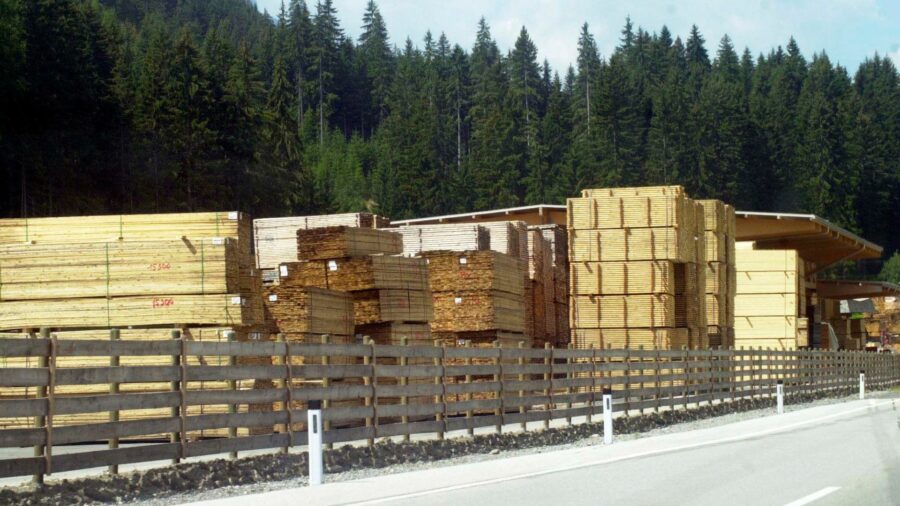
Navigating 2026's Shifting Supply Landscape
As we look to 2026, one of the most critical trends shaping the industry will be a tightening of lumber supply. Regional harvest restrictions, evolving forest management policies, and supply chain adjustments are all contributing to more selective access across key species and product lines. Broader economic pressures, including cautious construction starts and fluctuating input costs, are also influencing demand and procurement strategies.
But with complexity comes opportunity. Companies that respond with agility and insight can turn potential disruptions into a real strategic advantage.
- Resilience Through Range: Offering a broad product mix and understanding application-level needs helps customers stay flexible, even when their first-choice material is limited.
- Smarter Forecasting and Stronger Partnerships: Working closely with traders to anticipate demand and align timing ensures availability and continuity in a variable environment.
- Trust and Responsiveness as Value Drivers: In a tighter market, reliable supply and clear communication are just as valuable as the product itself.
- Opportunity in Optimization: Limited supply often sparks greater efficiency, from improved logistics coordination to refining product recommendations based on evolving specs.
The most forward-looking companies will not just manage reduced supply. They will lead through it.
Increased Use of Technology
One of the most transformative shifts in the forestry industry is the expanded deployment of technology across operations. From automated debarking and lumber scanning to data‑driven optimization of yield, mills are embracing digitization as a core growth strategy.
- Automation in sawmills, sorting lines and drying kilns is steadily increasing, allowing higher throughput, lower labour input and enhanced process consistency.
- Advanced scanning systems paired with AI are enabling real‑time defect detection, better board‑pairing and more precise optimization of each log’s value. For example, research into automated knot detection and pairing shows how machine learning is improving wood‑analysis accuracy.
- Data‑driven optimization using sensor data, production logs and forecasting allows mills to continuously improve performance, reduce waste and better foresee demand, maintenance or bottleneck issues.
- Predictive analytics tools are helping lumber traders forecast demand trends, optimize inventory, and improve pricing strategies across regions and customer types.
This increased use of technology not only drives operational efficiency but also supports high‑value product production, tighter tolerances, and stronger end‑market differentiation. For mills targeting 2026 and beyond, investing in digital readiness and automation will be a key competitive lever.
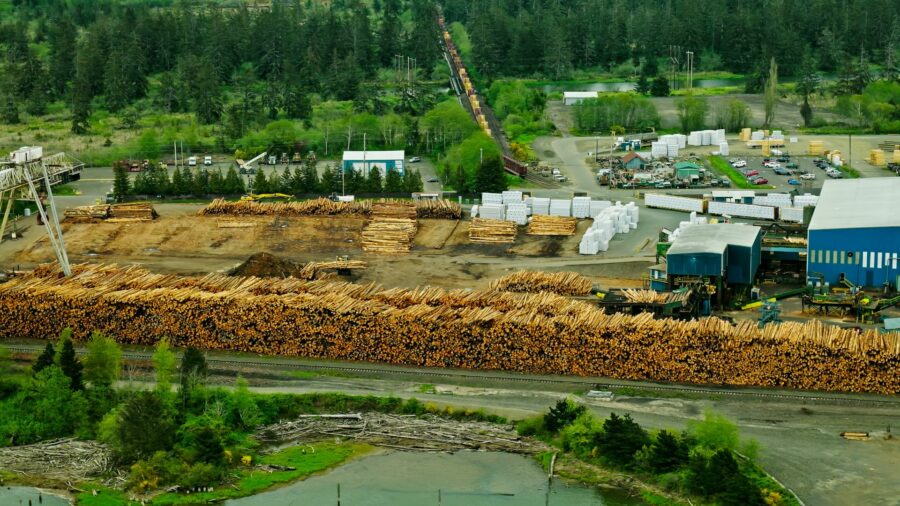
Growing Demand for Engineered Wood Products
The rise of engineered wood products (EWPs) is reshaping the wood products sector, and that momentum is set to continue into 2026.
- The global engineered wood market is projected to grow significantly: a recent estimate shows growth from about USD 282.96 billion in 2025 to higher levels by 2034.
- Products such as mass‑timber panels, cross‑laminated timber (CLT), laminated veneer lumber (LVL), specialty high‑performance panels and composite solutions are increasingly specified in construction and infrastructure applications.
- Demand drivers include a growing emphasis on low‑carbon building materials, faster build schedules enabled by prefabrication, and end‑users looking for dimensional stability and performance.
- Secondary wood products (value‑added furniture, cabinets, specialty panels) also contribute to growth, especially as markets seek more customization and premium quality.
For mill operators and suppliers, the implication is clear: diversifying into EWPs, investing in manufacturing flexibility and partnering with design/engineering teams will be critical to capturing the value shift toward engineered solutions.
Quality & Consistency Focus
In 2026 and beyond, specifying parties and end‑users will demand not only wood volume, but also consistent quality, tighter tolerances and higher performance metrics. Several trends support this shift:
- Advanced grading technologies (optical scanning, machine‑vision / AI systems) are enabling more accurate defect detection, better board pairing and improved yield from raw material.
- As mills adopt more automated scanning and pairing systems, consistency in board quality improves, allowing premium pricing and better end‑product performance.
- With engineered wood and value‑added panels growing, tolerance requirements (e.g., dimensional stability, moisture content, warp/crown/ twist allowances) become more stringent. Meeting these consistently becomes a differentiator.
- Data capture across the sawmill and panel plant enables Mills to track process variation, identify quality outliers and implement continuous improvement practices. This drive for quality also ties into sustainability (less waste, fewer rejects) and traceability.
In short, mills that deliver not just wood, but reliable wood like engineered or dimensioned to specification, will have a competitive advantage in 2026’s market.
Sustainability Emphasis
Sustainability is no longer a “nice to have”. By 2026, it will be an operational and strategic imperative for the forestry and wood‑products sector. Key focus areas include:
- Certification: interest in credible forest‑certification schemes and chain‑of‑custody documentation continues to grow, as buyers demand responsibly‑sourced material.
- Low‑waste operations: With cost pressures and environmental standards rising, mills are implementing yield‑improvement programmes, utilizing residuals (sawdust, bark, wood chips) for energy or secondary products, and converting waste streams into value.
- Recycled by‑products and circular‑economy models: greater interest in using reclaimed wood, recycled panels or combining wood residuals with other materials to create new composite products.
- Material innovation: treatments, modification technologies (including thermally modified wood, acetylated wood) and engineered products that enhance durability, reduce chemical inputs and extend life‑cycles are gaining traction.
- Carbon credentials: as building codes and green‑building standards evolve, wood products that carry carbon‑sequestration or carbon‑reduction claims will be increasingly differentiated.
Mills and manufacturers that embrace sustainability not just as a marketing story, but as a core operational practice. Tracking waste, improving energy efficiency, capturing by‑products, and certifying forests will be best positioned for 2026.

Education & Workforce Development
No transformation in forestry and wood products is possible without investing in people. As the industry becomes more technology‑driven, customer‑focused, and operationally complex, building a skilled, adaptable workforce becomes essential for 2026 and beyond.
Upskilling for Modern Mill Operations
With automation, scanning, and AI tools becoming standard in mills, there’s a growing need for skilled technicians, data operators, and equipment specialists. These roles require training in both traditional lumber production and modern digital systems. Apprenticeships, technical college partnerships, and in‑house training programs are expanding to meet this need.
Lumber Traders: The New Value Creators
In the lumber trading space, the role of lumber traders is also evolving significantly. Today’s traders are more than sales reps. They’re strategic partners, market analysts, logistics coordinators, and relationship builders.
- Market Fluency: Successful traders must interpret supply trends, global lumber indices, and regional demand to inform procurement and sales decisions in real-time.
- Tech-Savviness: As digital procurement tools, CRMs, and inventory systems become the norm, traders must be comfortable navigating these platforms to deliver seamless customer service.
- Customer Intelligence: With increased data availability, traders are expected to personalize their service, optimize pricing, and provide proactive solutions tailored to client needs.
- Cross-Functional Training: Many traders are now trained across logistics, credit risk, digital quoting tools, and even sustainability compliance, making them key links between mill partners and end-use buyers.
Investing in trader development through onboarding programs, market education, mentoring, and upskilling in tech tools is increasingly a competitive differentiator for wholesalers.
Attracting Early-Career Talent
The industry is working harder than ever to bring in the next generation of talent. Lumber companies are creating new career pathways through:
- Internship Programs
- STEM Outreach and Campus Recruitment
- Cross-Training Between Sales, Ops, and Production Roles
This not only strengthens workforce pipelines but also ensures better alignment across commercial and operational teams.
Conclusion
As we move into 2026, the forestry and wood‑products sector is being defined by innovation, efficiency and sustainable practices. Industry leaders will not just focus on volume, but on how wood is processed, engineered, certified, tracked and delivered. Automation and data‑driven operations, growing demand for engineered wood solutions, tighter quality and consistency standards, sustainability at every step, and building workforce capability will all play critical roles. For those milling, manufacturing or supplying in this space, the message is clear: embrace change, invest in technology and people, and align your operations with the engineering‑quality and sustainability demands of the future. The next chapter for the sector promises to be one of growth, but only for those ready to rise to the challenge.